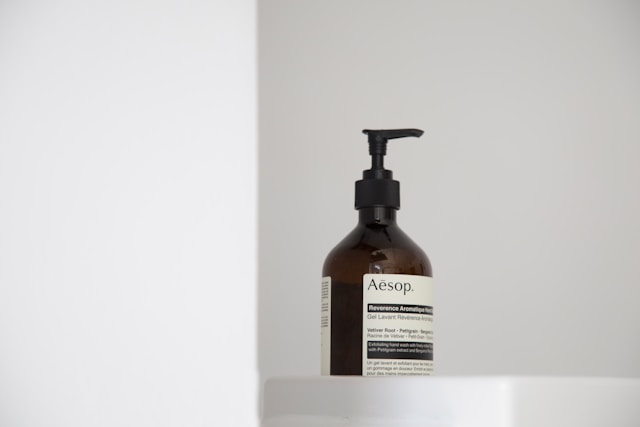
Ever wonder how some brands charge £45 for hand soap while you’re nervously mumbling your £5K offer?

If you’re constantly explaining your value, negotiating your rates, or secretly doubting your worth — you’re pricing like a service provider, not a luxury brand.

In this dispatch, we’re unpacking the exact “say less, do less” principles that turned Aesop into a billion-dollar empire—without discounts, negotiating in your DMs, or desperate justifications.

This Business of Luxury dispatch is for experts, founders and coaches who deliver exceptional results but feel stuck trying to price with authority.

It’s time to say your price without cringing.

When Dennis Paphitis started selling botanical hand soap in 1987, nobody predicted it would become a $2.53 billion luxury empire that L’Oréal would fight to acquire.

Here’s what’s fascinating: Aesop didn’t win by offering more. They won by offering less.

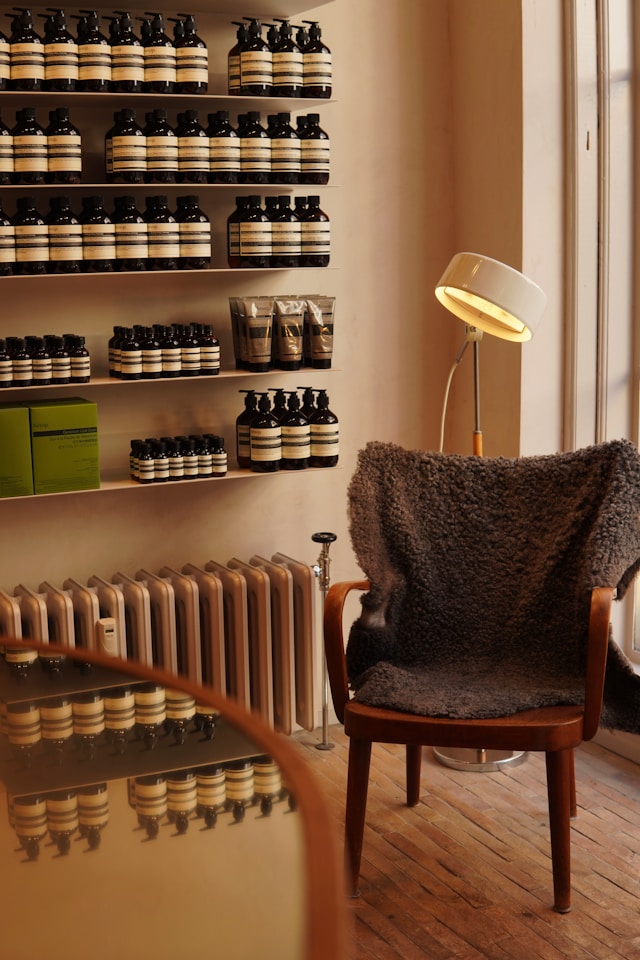
No flashy advertising. No celebrity endorsements. *No discounts, ever. Just expensive hand soap in architecturally stunning stores that feel more like art galleries than retail spaces.

And here’s the kicker – it worked so well that their annual growth rate sits at 20%, roughly double the global beauty market average.

The psychology behind Aesop’s pricing strategy reveals everything wrong with how personal brands approach their own pricing. Because while you’re busy justifying why you’re worth £5K, Aesop sells £45 hand soap without explaining anything to anyone.
The Restraint Principle That All Luxury Brands Understand

When most brands want to charge premium prices, they add features. More modules. Longer calls. Extra bonuses. More, more, more.

Aesop did the opposite. They removed everything unnecessary:

  • Removed aggressive advertising (while competitors spend millions on campaigns)
  • Removed discount culture (strict no-sales policy since day one)
  • Removed mass availability (limited to upscale boutiques only)
  • Removed product explanations (minimal copy, maximum mystique)

This isn’t about being difficult. It’s about understanding luxury psychology: scarcity creates desire, abundance destroys it.

When you can get something anywhere, anytime, at any price – it becomes a commodity. When access is controlled, curated, and selective – it becomes coveted.

The dirty secret? Your pricing struggles aren’t about your skills or experience. They’re about your positioning psychology.

If you want 10 more psychological secrets luxury brands use to command premium prices and more, access my email series to learn luxury psychology in 2-mins a day.

Why “Justifying” Your Price Kills Your Authority

Every time you explain why your £15K intensive is worth it, you’re training your market to question your value.

Luxury brands never justify their pricing because justification implies negotiation.

Imagine haggling for a Chanel handbag… *eye roll*

Think about it: Aesop doesn’t explain why their hand soap costs £45. They don’t compare ingredients to cheaper alternatives. They don’t offer payment plans or early-bird discounts. 

They simply exist at that price point. The price becomes part of the brand identity, not a barrier to overcome. 

Here’s the brutal truth: if you don’t believe your pricing at a cellular level, your clients will sense that misalignment immediately.

Because pricing isn’t just about what you charge – it’s about who you become when you state that number.

  • Do you straighten your spine or shrink?
  • Do you speak with conviction or add qualifiers?

Aesop’s founders priced from philosophical conviction, not spreadsheet calculations. They believed they were creating something exceptional, and they priced accordingly. The market followed.


The secret to luxury pricing isn’t adding more value. It’s claiming the value that already exists. Here’s exactly how to apply Aesop’s strategy to your personal brand pricing…

Price Like a Rockstar: The Irreverent Art of Premium

Now that you understand the restraint principle, here’s how to apply it to your own pricing without feeling like you want to sink into your chair and switch your Zoom camera off:

Pillar 1: Scarcity Design (Not Fake Urgency)

Aesop creates natural scarcity by refusing to sell their products in Tesco—selective distribution that keeps the brand elevated.

You create natural scarcity through selective and authentic availability.

Instead of: “Only 3 spots left!” (artificial urgency) Try: “I work with 8 clients maximum per quarter” (capacity truth). 

Instead of: Being available for everyone who enquires Try: “I’m selective about partnerships that align with my methodology”

This isn’t about being exclusive for exclusivity’s sake. It’s about protecting your energy so you can do your most daring work and deliver exceptional results for your champagne clients you do take on.

Pillar 2: Experience Curation (Premium Positioning)

Aesop doesn’t sell soap – they sell membership to an aesthetic philosophy. Every touchpoint reinforces luxury: the minimalist packaging, the epic store design, the consultation process that feels like a spa day. 

Your pricing conversations should feel like luxury consultations, not sales pitches:

Instead of: “Here’s what you get for £15K…” Try: “Here’s how we’ll co-create your positioning transformation…” Co-create is such a powerful phrase because it flips the script: you’re not a hired hand, you’re a partner in transformation, making the shift happen with the client, not for them.

Instead of: Listing features and deliverables Try: Describing the experience and outcome — paint it like a scene your client can step into. Instead of reciting features, show them the transformation: what their mornings look like, the confidence they carry into a boardroom, or the way their inbox suddenly feels lighter. Give fun specifics — the upgraded wardrobe that finally matches their new rates, the moment they stop apologising for success, the champagne they pop when their first premium client signs.

Luxury pricing is less bullet points, more theatre. And the language you use around pricing signals whether you see yourself as a service provider or a luxury authority. Choose wisely.

Pillar 3: What They Don’t Tell You About Pricing Like a Queen (Aesthetic Authority)

Here’s the part nobody talks about: luxury pricing requires luxury thinking.

If you price yourself at £15K but still think like a £500 consultant, it shows up everywhere. In your copy. In your sales conversations. In your confidence when someone asks what you charge. Even how you show up with your full voice on Substack. Are you showing up as your fully aligned luxury self?

The Alignment Test: Can you state your highest price point with the same energy as ordering coffee? If not, you’re not aligned with that price yet.

This is why throwing random numbers around doesn’t work. You need to believe – at a deep, cellular level – that your transformation is worth the investment.

Your 30-Day Pricing Psychology Reset

  • Document every time you justify, discount, explain, or apologise for your pricing. Awareness first.
  • Practice stating your ideal price point in the mirror until it feels normal. Seriously. 
  • Rewrite all your pricing copy to focus on transformation, not transaction.
  • Implement one scarcity design element (limited availability, selective criteria, etc.)

Remember: Aesop grew from £28 million to £750+ million by pricing from conviction, not comparison. Their “no discount ever” policy wasn’t about being rigid – it was about understanding that luxury psychology requires consistency.

Your pricing isn’t just about revenue. It’s about the type of client you attract, the respect you command, and the sustainable business model you create.

Price like you’re Aesop. Price like luxury. Price from the identity you’re building, not the one you’re leaving behind.

Footnote: empty bottles of Aesop hand wash are on Vinted for £5. Empty… bottles… yeah! 

What do you think?

Your email address will not be published. Required fields are marked *

This site uses Akismet to reduce spam. Learn how your comment data is processed.

No Comments Yet.